
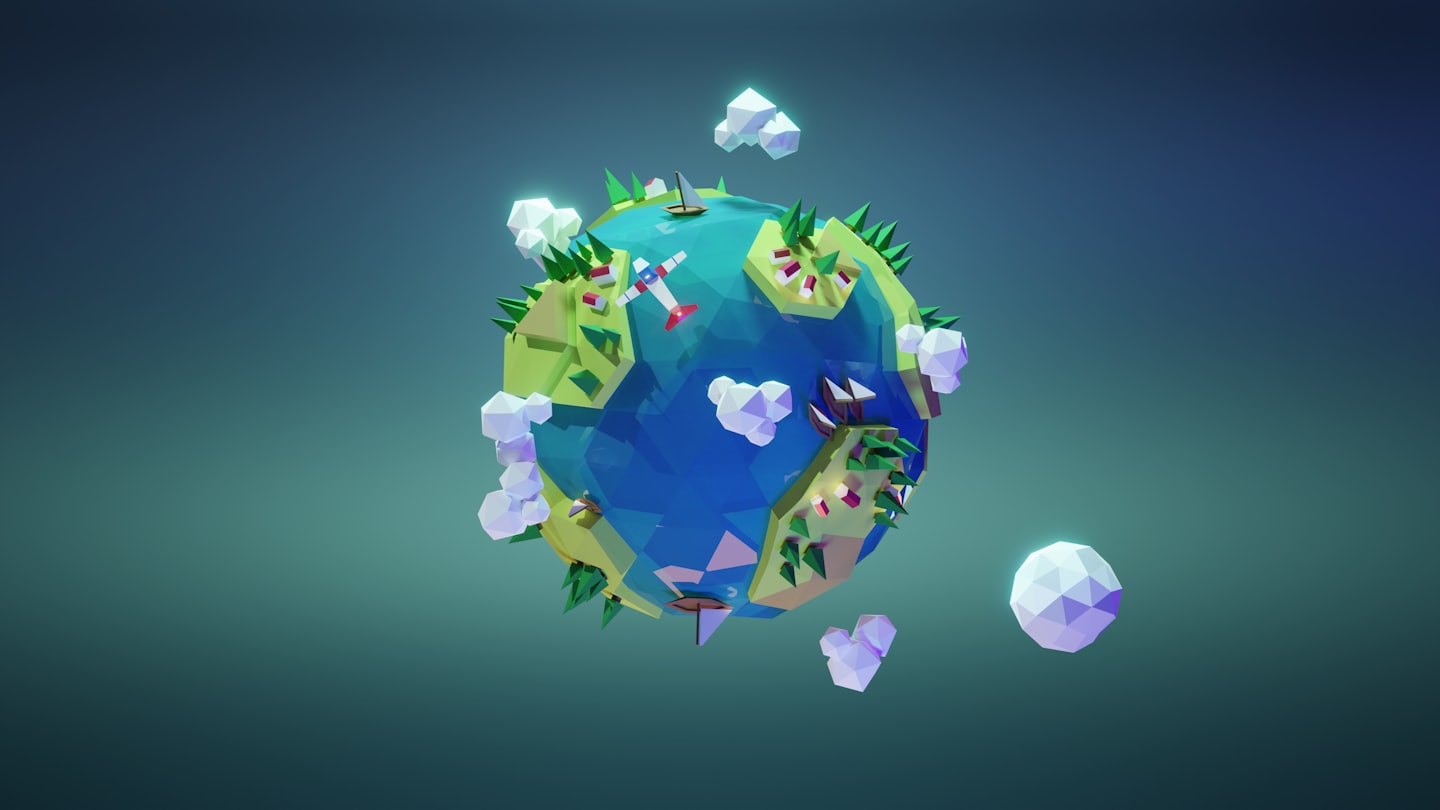
Circular economy. More value, fewer resources.
Understand how better design, longer product use and resource recovery can reduce waste and preserve value. Explore practical explanations informed by research and the ISO 59000 family of standards.
Insights
Start with the fundamentals, explore everyday applications and learn how to assess whether a circular solution delivers an environmental benefit.
-
When does reuse reduce climate impact? A worked example
A reusable product needs to be used enough times to justify the resources invested in…
-
Design for repair and recovery: turn circular ambition into a product brief
Circular design starts with decisions that make continued use and recovery feasible. A durable shell…
-
The six ISO 59004 principles: practical questions for better decisions
Circular economy decisions connect products, people, infrastructure and nature. ISO 59004:2024 identifies six complementary principles…

Circularity starts before waste exists
Ask what people need, how that need can be met with fewer resources, and how products can stay useful for longer. Recycling matters, but decisions about design, purchasing, maintenance and business models come first.
From understanding to action
A practical learning path: understand the concepts, examine the system and measure the results. Find the underlying standards and research in our resource library.

Understand the foundations
Learn the difference between reducing demand, extending product life and recovering materials.

Apply circular thinking
Explore repair, reuse, refurbishment and service models through clearly labelled illustrative examples.

Measure what changes
Track resource flows and actual use. Assess environmental impacts across the life cycle, alongside circularity.
Evidence that helps you make better decisions
A Circular Economy makes complex ideas accessible. Our educational content connects international standards with scientific research, explains trade-offs and distinguishes practical examples from demonstrated results. Explore our sources and reading guide.